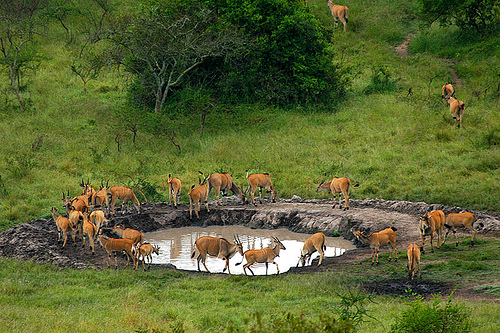

Uganda, often referred to as the “Pearl of Africa,” is rapidly emerging as one of the top destinations for eco-friendly travel. With its rich biodiversity, lush forests, and vibrant cultures, the country offers travelers a unique opportunity to explore nature while actively supporting conservation and local communities.
Eco-friendly travel in Uganda goes beyond sightseeing—it is about responsible exploration. Activities like gorilla trekking, chimpanzee tracking, and forest walks are carefully regulated to protect wildlife and habitats. For example, tourism in protected areas like Bwindi has played a major role in the recovery of endangered mountain gorillas, with revenues supporting conservation and local livelihoods.
One of the most inspiring aspects of eco-tourism in Uganda is its strong community involvement. Initiatives such as the Bigodi Wetland Sanctuary near Kibale Forest are fully managed by local communities, ensuring that tourism income directly benefits residents while preserving ecosystems. This model creates a win-win situation—visitors enjoy authentic experiences, while communities gain sustainable income.
Eco-conscious travelers can also choose accommodations that prioritize sustainability. Many eco-lodges across Uganda use solar power, rainwater harvesting, and locally sourced materials to minimize environmental impact. By staying in such facilities, travelers reduce their carbon footprint while supporting green businesses.
In Uganda, eco-tourism is not just a trend—it is a movement shaping the future of travel. Choosing eco-friendly tours means protecting wildlife, empowering communities, and preserving natural beauty for generations to come.